

Styling your hair shouldn’t feel like a full workout before the day even starts. Yet for many people—especially those with thick, long, or textured hair—the routine often involves juggling a blow dryer, round brush, curling iron, and sometimes even a straightener.
That’s exactly why hot air brushes have become one of the most talked-about styling tools again. Recently trending across beauty creators and hair tutorials online, these multi-purpose tools make it possible to dry and style your hair at the same time.
Instead of switching between several heated tools, a modern hot air styler combines drying, smoothing, curling, and volumizing into one device. The result? Faster styling, less heat exposure, and a salon-like finish right at home.
If you’re new to using a hot air brush—or just want better results—these five technique tips can make a noticeable difference.
Choosing the Right Hot Air Styler
Not all hot brushes work the same way. Some are designed mainly for straightening, while others focus on blowouts or curls. The newest generation of styling tools offers interchangeable attachments so you can create multiple hairstyles using a single device.
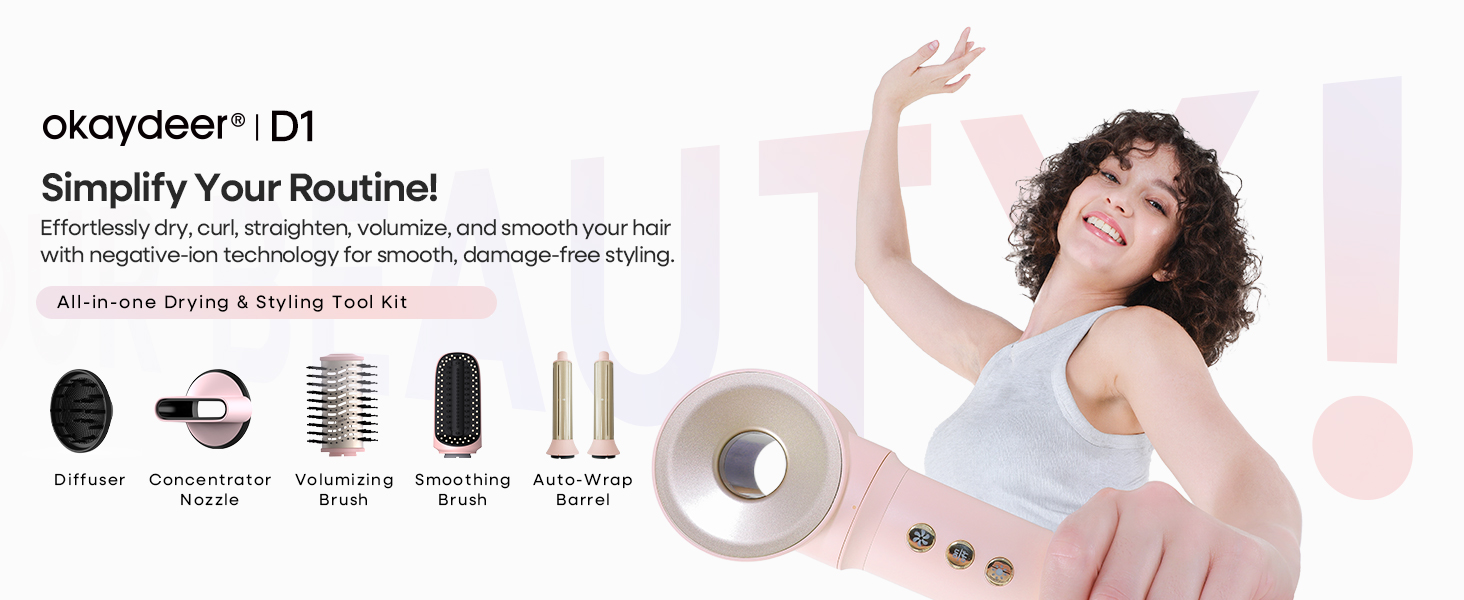
A 7-in-1 hot air styling system is a good example of this kind of versatility. With attachments like auto-wrap curlers, volumizing brushes, smoothing brushes, diffusers, and concentrator nozzles, you can switch between straight, wavy, or bouncy styles without changing tools.
Power also plays a role in performance. A high-speed motor—such as one running at 130,000 RPM with strong airflow—can dramatically reduce drying time while still giving you enough control to shape your hair.
Many newer stylers also include negative ion technology, which helps minimize static and frizz while leaving hair looking smoother and shinier.
Start With the Right Hair Prep
Using a hot air brush on completely dry hair rarely delivers the best results. For most styles, slightly damp hair is the ideal starting point.
After washing your hair, gently towel-dry it until it’s no longer dripping wet. This shortens drying time and prevents unnecessary heat exposure. If your hair is thick, you may want to rough-dry it for a minute or two before beginning your styling routine.
Use Heat Protection First
Even though many modern stylers include smart temperature control systems designed to prevent excessive heat, protecting your hair is still important.
Applying a heat protectant spray or serum before styling helps shield the hair cuticle and maintain moisture. It also improves smoothness and makes it easier for the brush to glide through your hair.
If frizz tends to be an issue, look for formulas that also provide light smoothing or anti-static benefits.
Section Your Hair for Better Results
One of the most common styling mistakes is trying to work through too much hair at once.
Instead, divide your hair into manageable sections—usually four works well: the crown, back, and two sides. Working section by section ensures that the hot air brush distributes heat evenly and prevents you from repeatedly passing over the same area.
This not only speeds up the process but also leads to a more polished finish.
5 Technique Hacks for Using a Hot Air Brush
Once your hair is prepped and sectioned, it’s time to start styling. These simple technique adjustments can dramatically improve the final result.
1. Start From the Bottom Layers
Begin with the lower sections of your hair and gradually work upward. Taking smaller sections—around two inches wide—allows airflow and heat to reach every strand evenly.
Slow, controlled movements usually produce smoother results than rushing through each section.
For a sleek finish, guide the brush from root to tip while maintaining gentle tension on the hair.
2. Use the Brush Angle for Volume
If your goal is a full, bouncy blowout, the angle of the brush matters.
Instead of pulling your hair straight downward, lift the brush slightly upward from the root before gliding through the length. This small adjustment can add noticeable lift at the crown and prevent your hair from falling flat.
A volumizing brush attachment works especially well for this step.
3. Try Auto-Wrap Curlers for Effortless Waves
For curls or soft waves, modern stylers often include auto-wrap curling barrels that rely on airflow to pull hair around the barrel automatically.
Using airflow technology inspired by the Coanda effect, these curlers attract and wrap sections of hair without the need for clips or manual twisting. With left- and right-direction barrels, you can create symmetrical curls that frame your face naturally.
This makes curling significantly easier, even for beginners.
4. Focus on the Crown Area
The top section of your hair has the biggest influence on how your style looks overall.
When styling the crown, lift the section straight up and slowly guide the brush through the hair. Holding the hair vertically while styling builds extra lift and creates that classic blowout volume many people aim for.
This step may take a little extra time, but the payoff is worth it.
5. Finish With a Light Styling Product
After your hair is completely dry and styled, a finishing product can help lock in the results.
A lightweight hairspray or smoothing serum works well to control flyaways while maintaining movement. Avoid using too much product—your hair should still feel soft and natural.
Why Multi-Styling Tools Are Becoming So Popular
Hair tools have evolved significantly in recent years. Instead of buying separate devices for drying, curling, and straightening, many people now prefer all-in-one styling systems.
A multi-attachment hot air styler can help simplify your routine by offering:
-
Faster drying thanks to high-speed airflow
-
Reduced frizz with negative ion technology
-
Multiple styling options in one device
-
Lightweight designs that are easier to handle
-
Smart heat control to help protect hair from damage
For busy mornings, travel, or everyday styling, this kind of versatility makes a noticeable difference.
The Takeaway
Getting great results from a hot air brush isn’t just about the tool—it’s also about the technique.
Starting with damp hair, working in sections, and adjusting your styling method for volume or curls can help you achieve smoother, more professional-looking results.
And with newer multi-styling tools that combine drying, curling, smoothing, and volumizing, creating a polished hairstyle at home has never been easier.